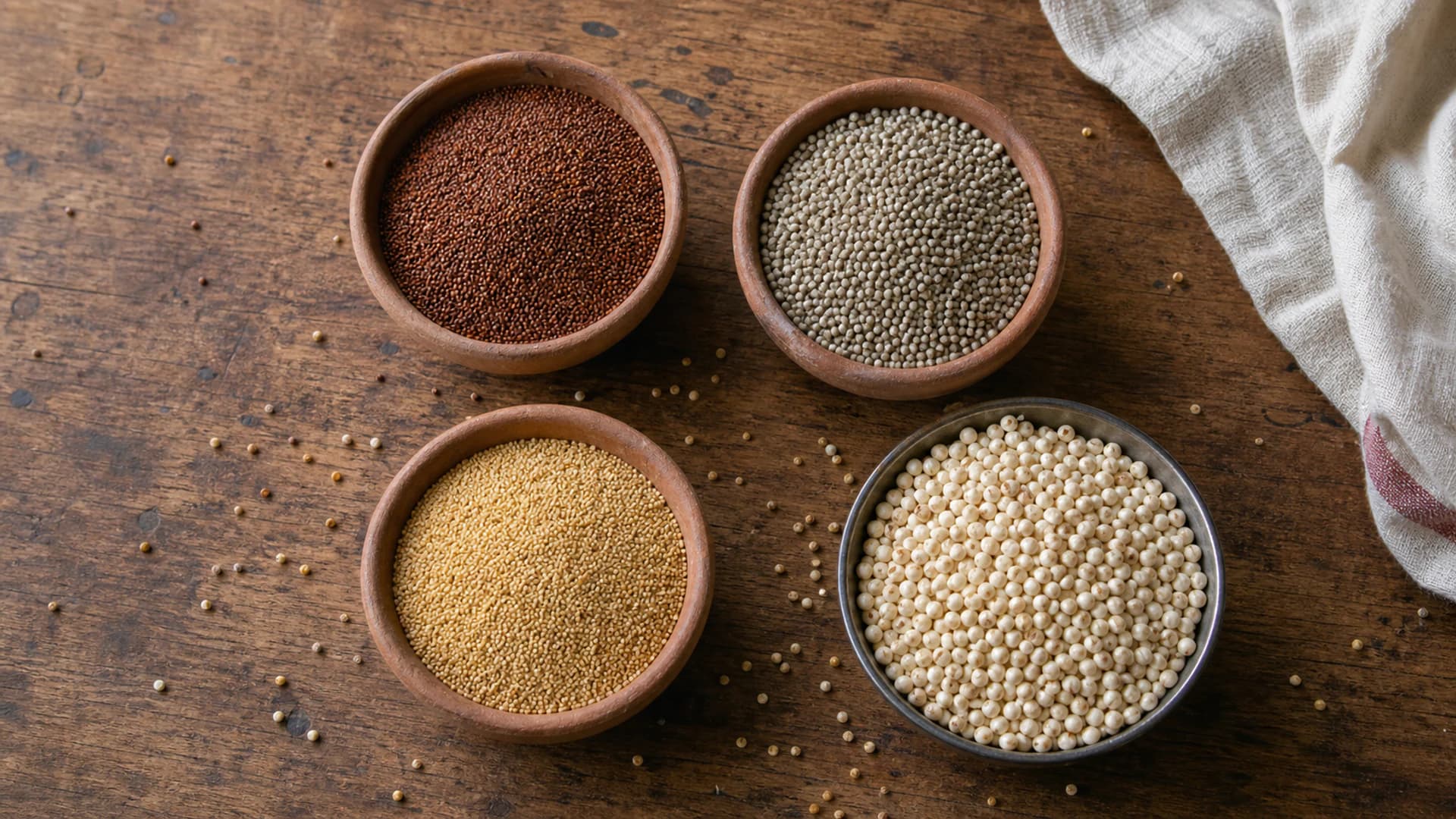
Ancient Grains. Timeless Nourishment.
Millets have been cultivated for over 5,000 years across Asia and Africa. These small-seeded, nutrient-dense grains are the original superfoods: gluten-free, drought-resistant, and packed with minerals. Rediscover what our ancestors always knew.
What Are Millets?
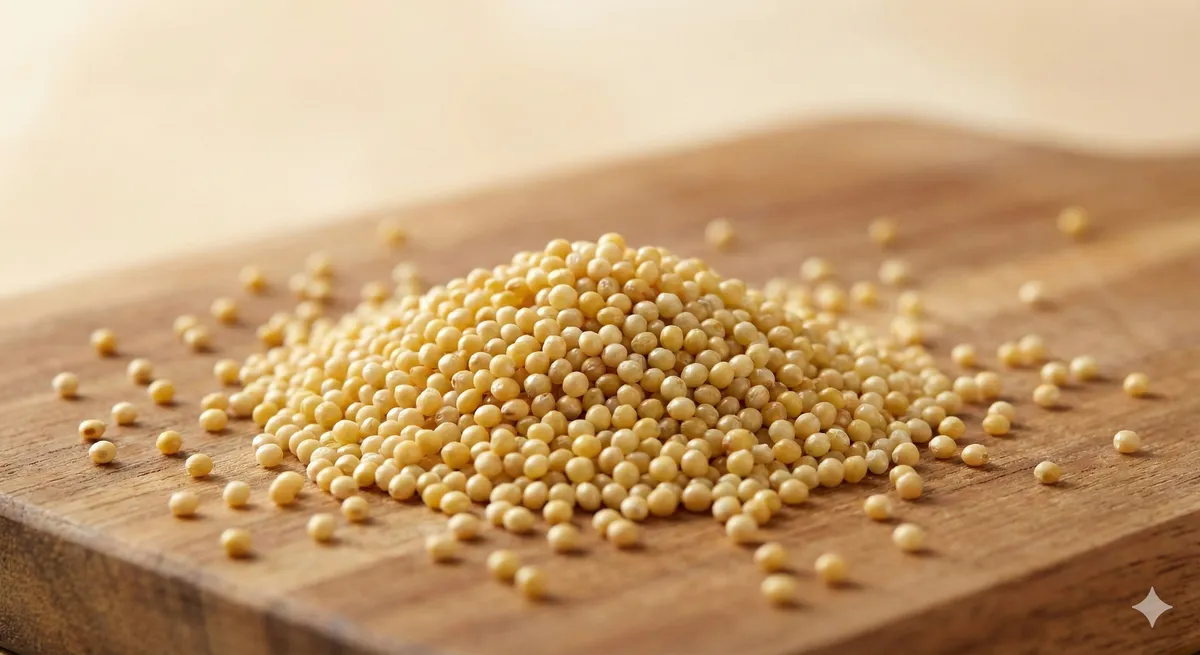
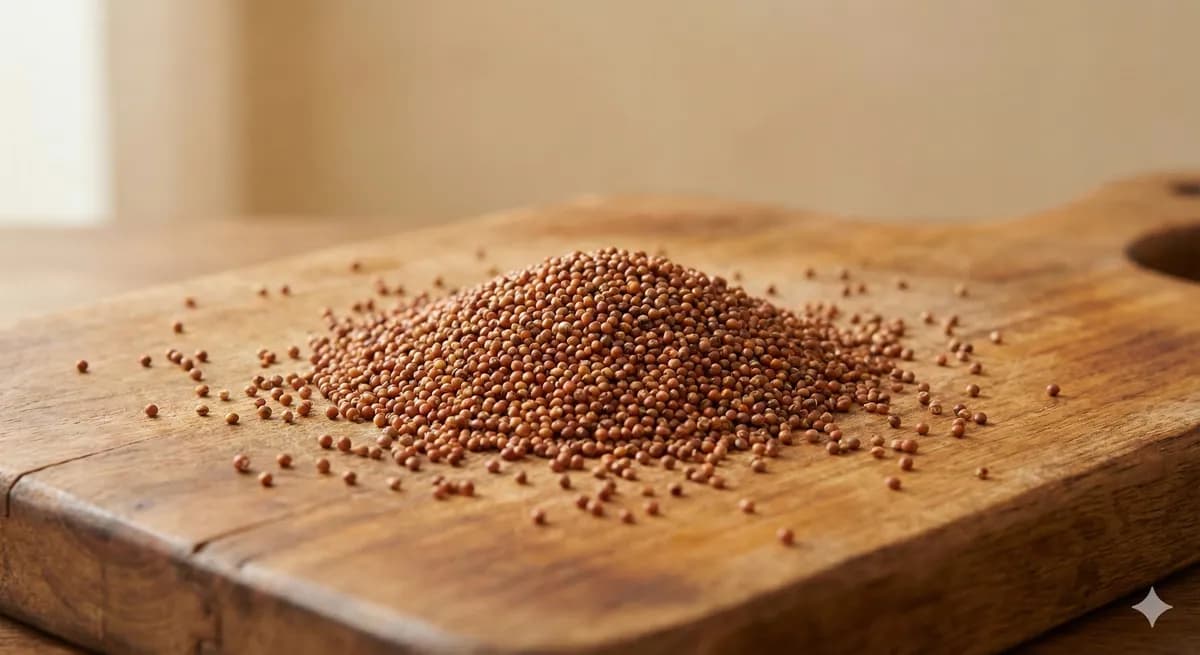
Millets are a diverse group of small-seeded cereal grains belonging to the family Poaceae, cultivated for thousands of years. They include several distinct species: pearl millet, finger millet, sorghum, foxtail millet, and more. Most millets are C4 plants with a highly efficient photosynthetic pathway, allowing them to thrive in hot, dry conditions.
What makes millets remarkable is their nutritional density and environmental resilience. They are naturally gluten-free, rich in protein, fiber, iron, and calcium, and have low glycemic indices, making them ideal for modern health-conscious diets.
India is the world's largest producer of millets, and 2023 was declared the International Year of Millets by the United Nations, championed by India and supported by more than 70 countries. This renewed global attention builds on a history that reaches back far before modern agriculture: archaeological sites in northern China preserve foxtail and proso millet from around 8700 BCE, while pearl millet was independently domesticated in the West African Sahel by roughly 4500 BCE and reached the Indian subcontinent some two millennia later.
Millets are attracting renewed attention as climate-resilient crops. Pearl millet can produce a harvest on as little as 350-500 mm of seasonal rainfall and matures in 65 to 85 days, while foxtail, little, and kodo millets set seed on similarly short water budgets. Finger millet (ragi), for its part, provides roughly 344 mg of calcium per 100 grams, the highest among common cereals, and several times that of milled rice. Traditional Indian medical texts such as the Charaka Samhita, Sushruta Samhita, and Bhavaprakasha Nighantu classified these grains within specific therapeutic categories, generally placing them among the laghu (light to digest) and kashaya (astringent) grains, long before modern nutrition research examined them.
This website covers nine millets in depth: their nutrition (anchored to the ICMR-NIN Indian Food Composition Tables and USDA databases), traditional and contemporary recipes, Ayurvedic properties, cultivation practices, and regional culinary traditions across India and abroad. Wherever a claim is made, we try to attribute it to a named source and to distinguish well-established findings from preliminary research. The goal is not to sell millets as a superfood, but to help you understand what they are, how the different species differ from one another, and how to actually use them in a kitchen.
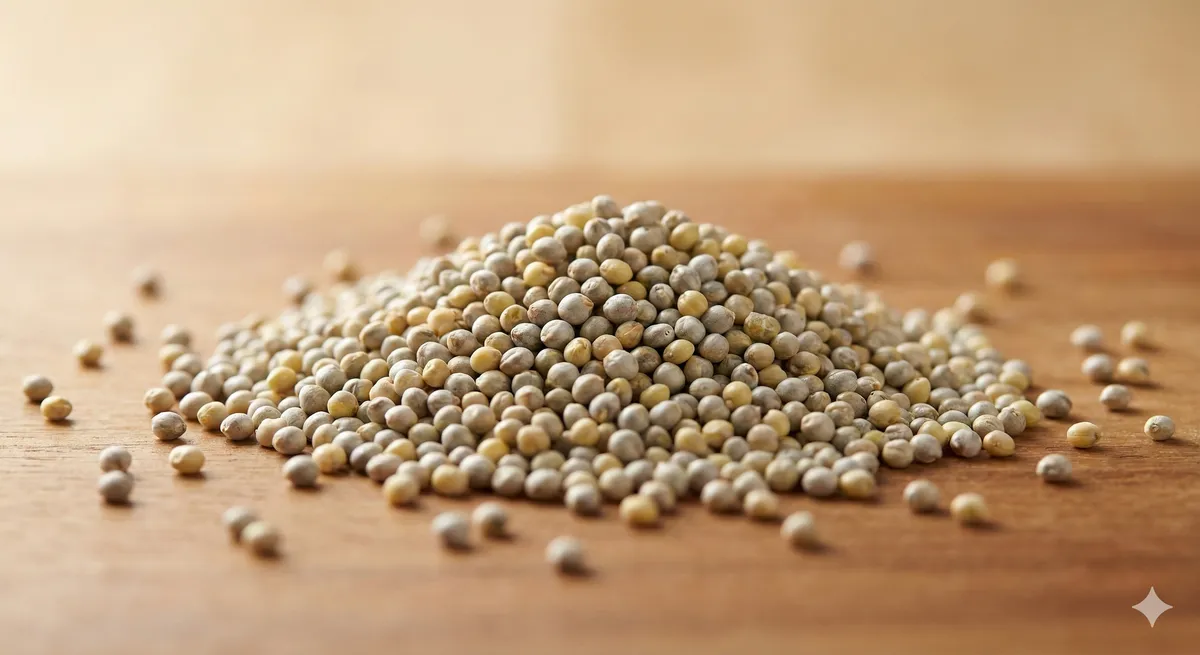
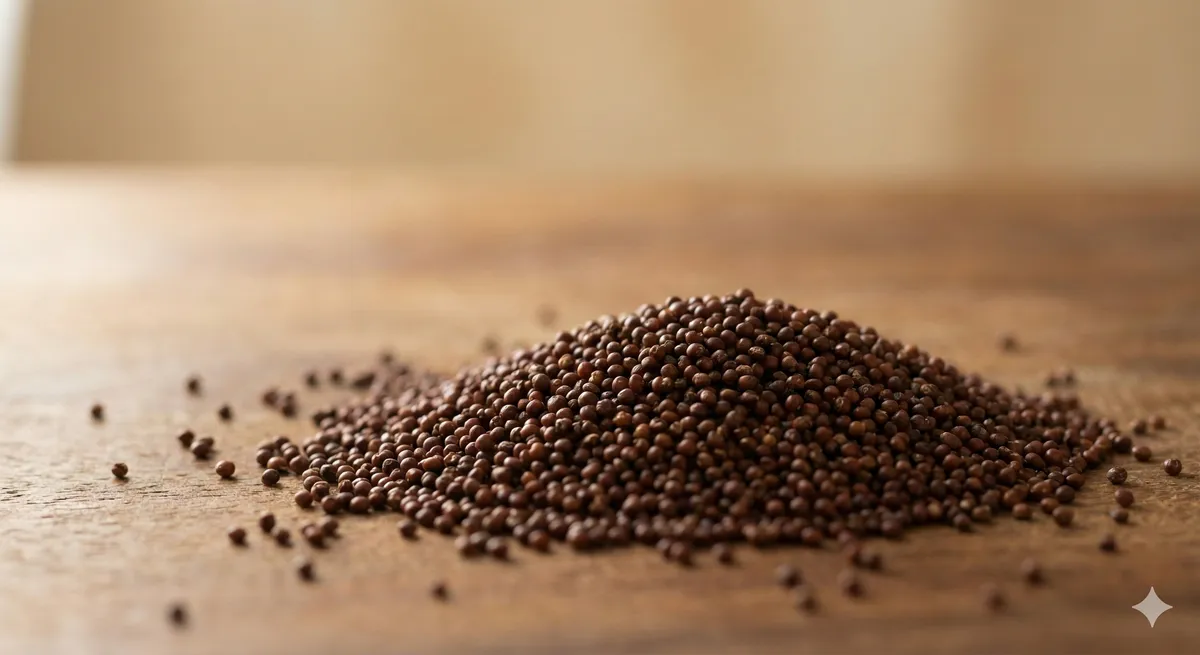
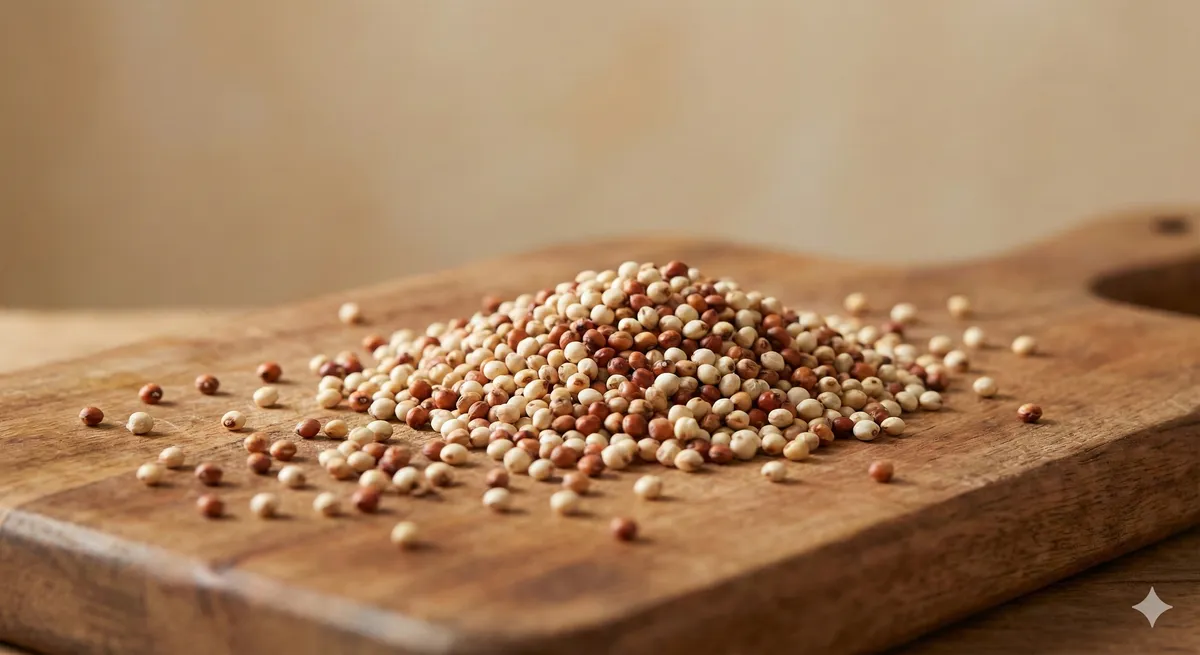
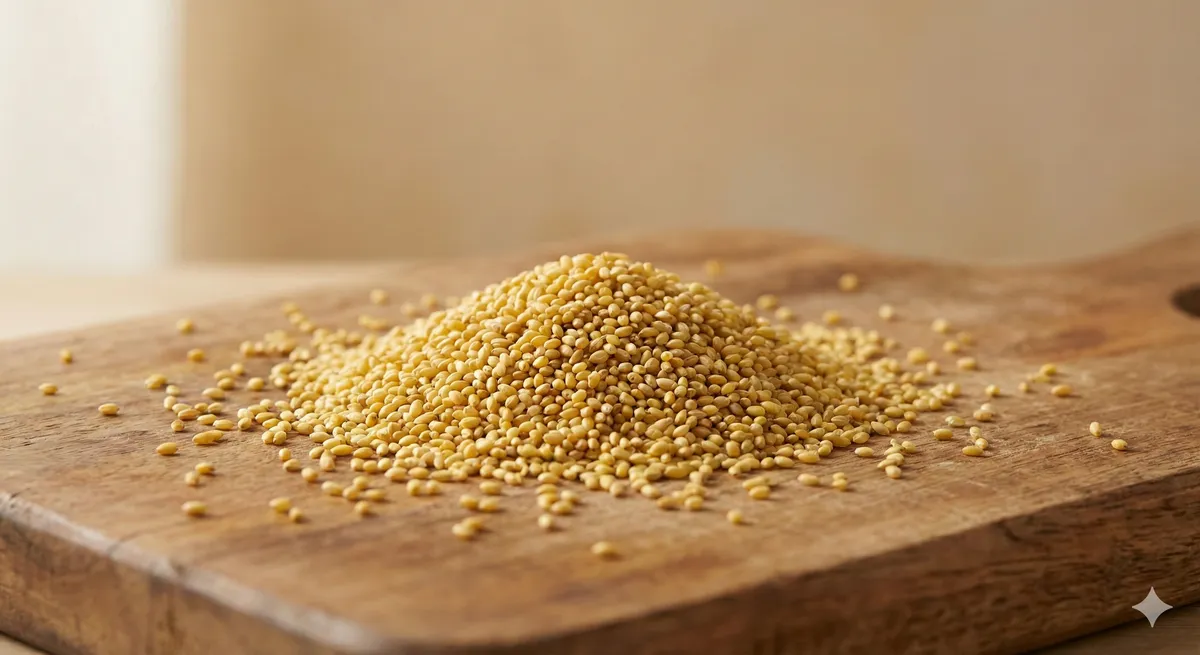
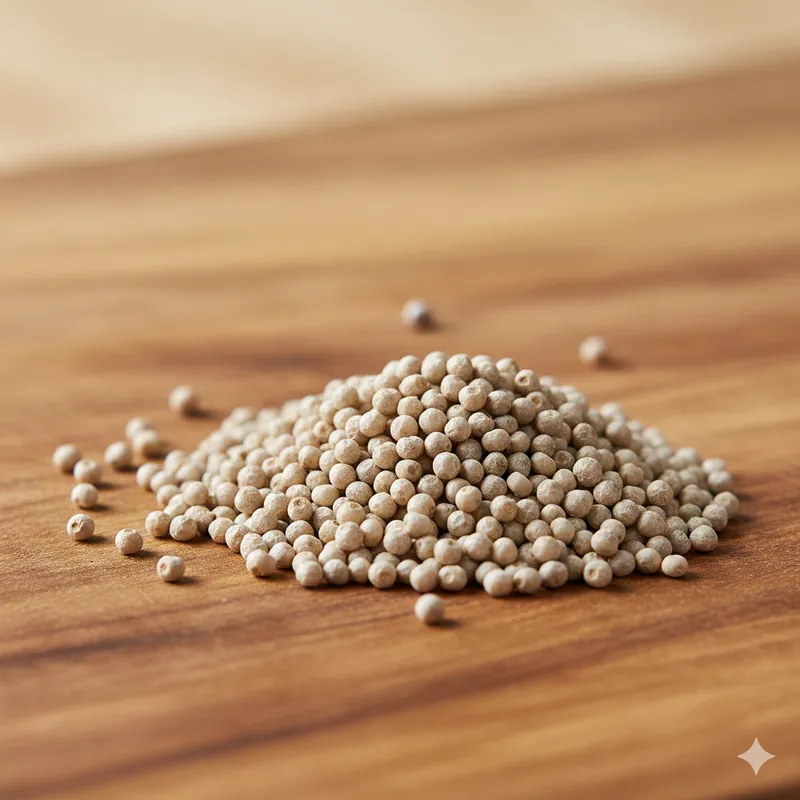
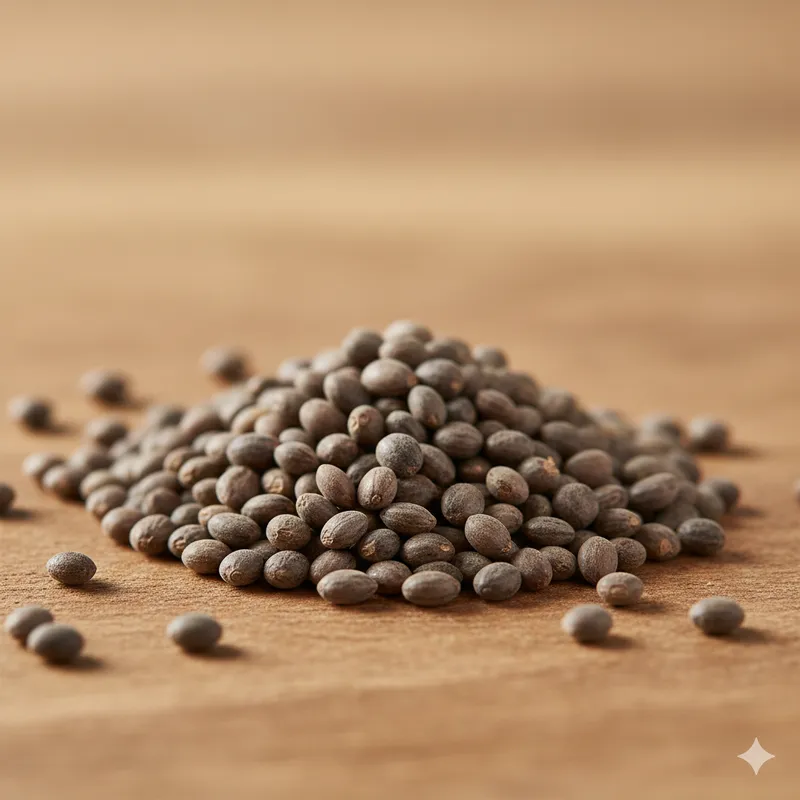
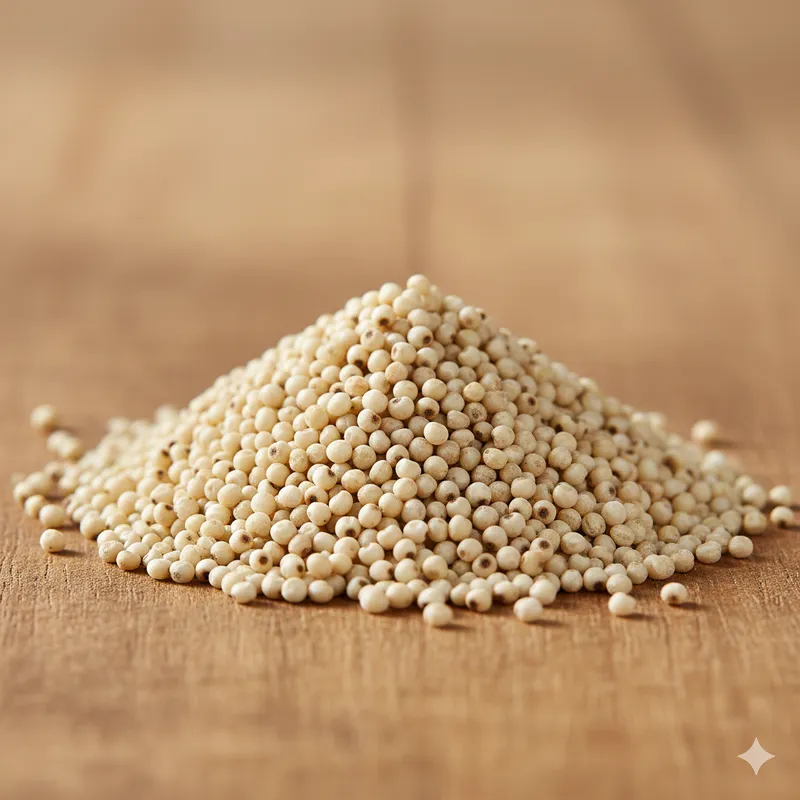
Explore All 9 Millets
Click on any millet to discover its nutrition, recipes, Ayurvedic properties, cooking methods, and more.
Why Millets?
From personal health to planetary sustainability, millets offer benefits that few other grains can match.
Nutrient Dense
Millets are rich in protein, fiber, iron, calcium, and B-vitamins. Many millets surpass rice and wheat in key micronutrients.
Gluten Free
All millets are naturally gluten-free, making them a safe and nutritious staple for people with celiac disease or gluten sensitivity.
Low Glycemic Index
Most millets have a low to medium glycemic index, leading to slower glucose release and better blood sugar management.
Climate Resilient
Millets thrive in arid and semi-arid conditions, requiring 70% less water than rice. They grow in poor soils where other crops fail.
Sustainable
With a low carbon footprint, short growing cycles, and minimal input requirements, millets are among the most sustainable grains on Earth.
Which Millet Should You Try?
Answer a few questions and we'll recommend the perfect millet for you.
1 / 4
What's your primary health goal?
Try These Recipes


Start Your Millet Journey
Whether you are looking to cook your first millet meal or compare their nutritional profiles, we have you covered with verified, sourced information.
Disclaimer: This content is created with the assistance of AI and is based on published research, government sources, and traditional knowledge. While we strive for accuracy, always consult a healthcare professional for medical advice.