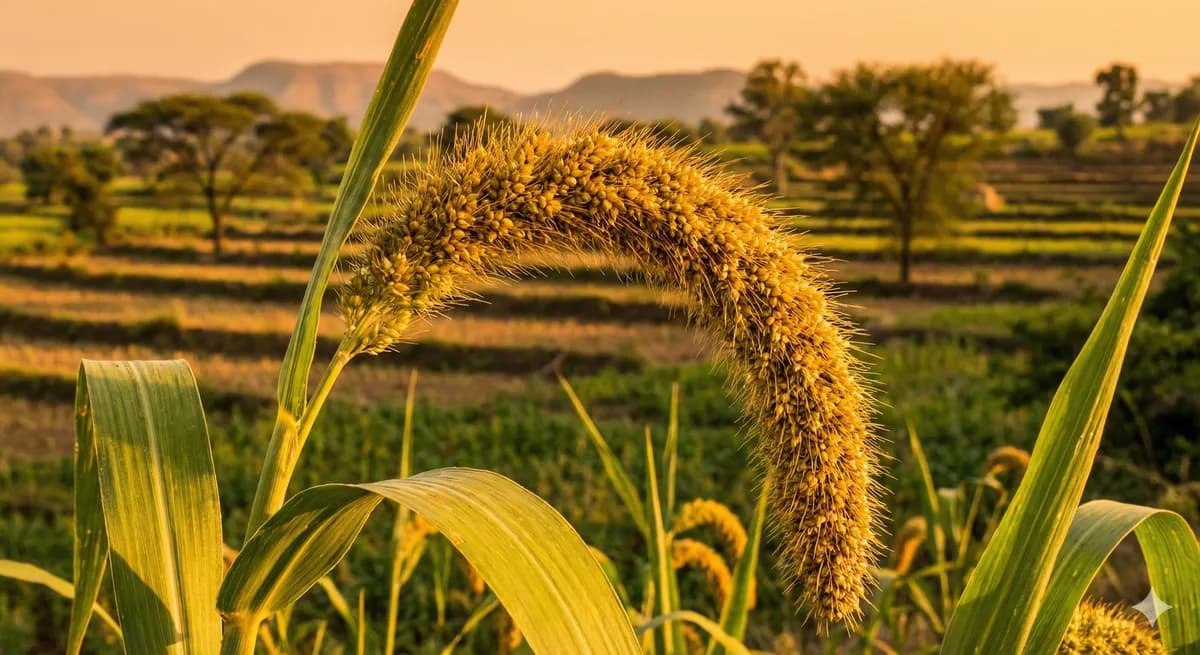
Foxtail Millet
Setaria italica
Kangni / Thinai
One of the oldest cultivated millets, rich in protein and iron, a rice alternative
Names in Indian Languages
| Language | Name |
|---|---|
| Hindi | कंगनी (Kangni) |
| Tamil | தினை (Thinai) |
| Telugu | కొర్రలు (Korralu) |
| Kannada | ನವಣೆ (Navane) |
| Malayalam | തിന (Thina) |
| Marathi | काँग / राळा (Kang / Rala) |
| Bengali | কাওন (Kaon) |
| Gujarati | કાંગ (Kang) |
| Odia | କଙ୍ଗୁ (Kangu) |
| Punjabi | ਕੰਗਣੀ (Kangni) |
| Sanskrit | प्रियंगु (Priyangu) |
Nutrition Profile
per 100g. Source: ICMR-NIN IFCT 2017, Indian Food Composition Tables, National Institute of Nutrition, Hyderabad
Calories
331kcal
Protein
12.3g
Fiber
8g
Calcium
31mg
Iron
2.8mg
Glycemic Index
50(low)
| Nutrient | Amount per 100g |
|---|---|
| Calories | 331 kcal |
| Protein | 12.3 g |
| Fat | 4.3 g |
| Carbohydrates | 60.9 g |
| Fiber | 8 g |
| Calcium | 31 mg |
| Iron | 2.8 mg |
| Zinc | 2.4 mg |
| Phosphorus | 290 mg |
| Magnesium | 81 mg |
| Potassium | 250 mg |
Foxtail Millet vs. White Rice
The health information below is for educational purposes only and is not medical advice. Consult a healthcare professional before making dietary changes. Read full disclaimer
Health Benefits
High protein content
Well EstablishedFoxtail millet contains 12.3g protein per 100g, one of the highest among millets, making it excellent for vegetarians seeking plant-based protein sources.
Source: ICMR-NIN IFCT 2017
Low glycemic index may benefit blood sugar management
Supported by ResearchWith a GI of approximately 50, foxtail millet has a slow glucose release, making it a suitable grain for people managing diabetes.
Source: International Journal of Diabetes in Developing Countries
Rich in dietary fiber
Well EstablishedContains 8.0g fiber per 100g, which may support digestive health, promote satiety, and help maintain healthy cholesterol levels.
Source: ICMR-NIN IFCT 2017
Good source of B vitamins
Supported by ResearchFoxtail millet is a good source of B-complex vitamins including thiamine and niacin, which are essential for energy metabolism and nervous system function.
Source: Journal of Food Science and Technology
Ayurvedic Properties
Rasa (Taste)
Kashaya (astringent), Madhura (sweet)
Virya (Potency)
Ushna (warm)
Vipaka (Post-digestive)
Katu (pungent)
Guna (Quality)
Laghu (light), Ruksha (dry)
Dosha Effect
Vata
Increases
Pitta
Neutral
Kapha
Decreases
Therapeutic Uses
- Useful for weight management due to light and dry qualities
- May support digestive fire (Agni)
- Beneficial for Kapha-related conditions like congestion
- Traditionally used in postpartum recovery diets
Classical Reference: Ashtanga Hridaya
Contraindications
- May slightly increase Vata, balance with ghee or oil
- Not recommended in excess for individuals with dry skin conditions
Ayurvedic information presented here is derived from classical texts for educational purposes. It is not medical advice. Always consult a qualified Ayurvedic practitioner or healthcare provider before making dietary changes based on Ayurvedic principles.
How to Cook Foxtail Millet
Water Ratio
1:2.5
Soaking Time
30 minutes
Cooking Time
15-20 minutes
Best Substitute For
Rice
Texture
Fluffy, rice-like
Flavor Profile
Nutty, slightly sweet
Cooking Tips
- 1.Rinse well and soak for 30 minutes before cooking for best results
- 2.Cook like rice. It fluffs up beautifully
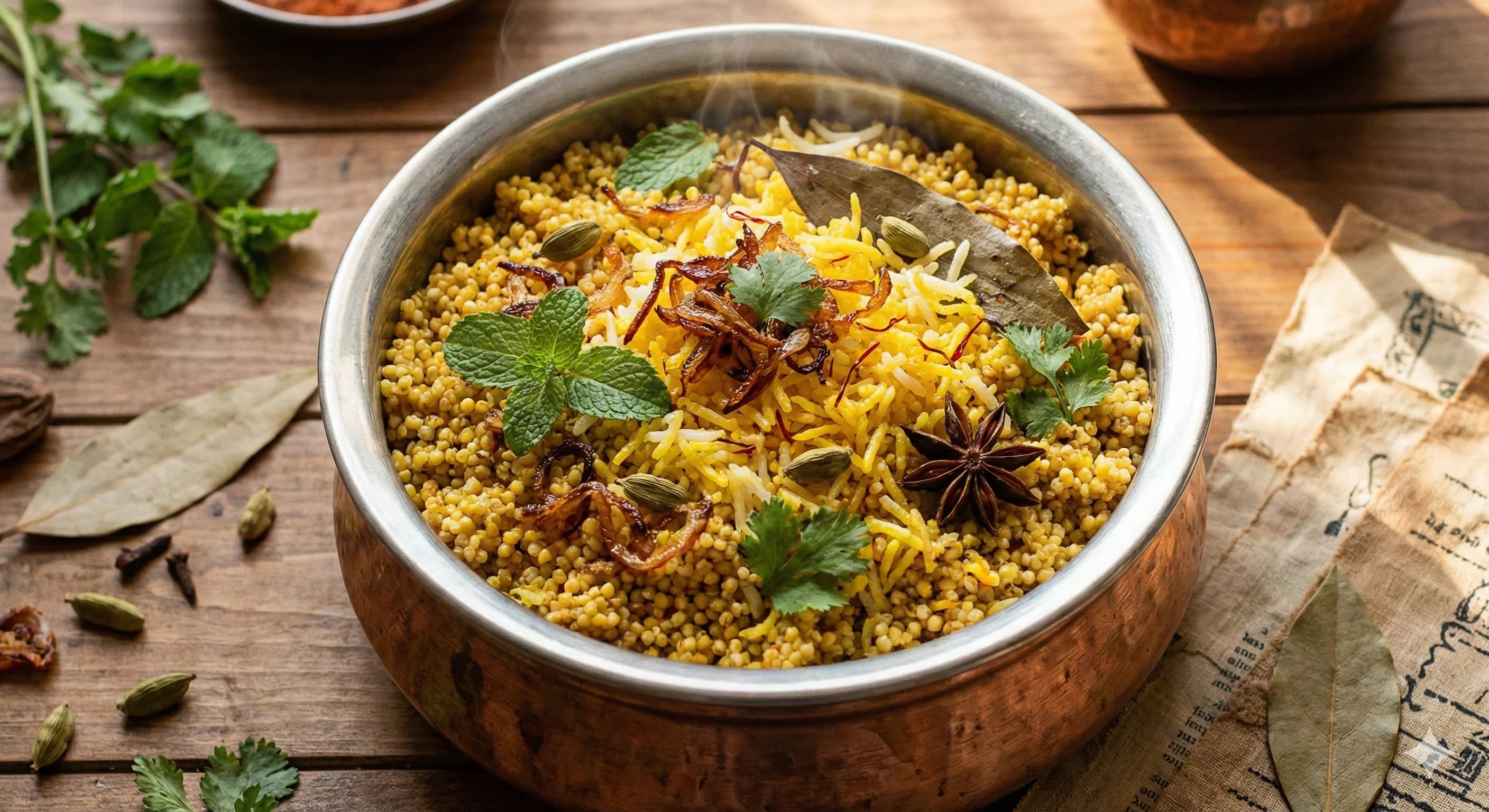
- 3.Makes excellent upma, pulao, and pongal
- 4.Can be used in sweet dishes like payasam (kheer)
- 5.Dry roast lightly before cooking for a nuttier flavor
Cultivation
Major States (India)
Andhra Pradesh, Karnataka, Tamil Nadu, Rajasthan, Madhya Pradesh
Global Regions
China, Southeast Asia, South Asia, Europe (historical)
Growing Season
Kharif (June-October)
Water Requirement
300-400mm rainfall
Soil Type
Light sandy loam to medium loam soils; extremely drought tolerant
Harvest Days
75-90 days
History
Origin Region
Northern China (Cishan archaeological site)
Domestication Period
Approximately 8700 years ago (~6700 BCE)
Archaeological Evidence
Remains found at the Cishan archaeological site in northern China, dating to approximately 8700 years ago, making it one of the oldest cultivated crops globally.
Spread Pattern
Domesticated in northern China and spread westward via Central Asian trade routes to India, the Middle East, and Europe.
Cultural Significance
Foxtail millet holds cultural importance in South Indian cuisine, particularly in Tamil Nadu (Thinai) and Andhra Pradesh (Korralu). It is used in traditional festival preparations and is mentioned in ancient Sangam Tamil literature.
Side Effects & Precautions
Goitrogen content
May cause thyroid issues at very high consumption levels due to goitrogenic compounds. People with thyroid conditions should consume in moderation and consult their doctor.
Processing requirement
Husked variety needs proper dehusking/processing before cooking. Improperly processed grain may be hard to digest.
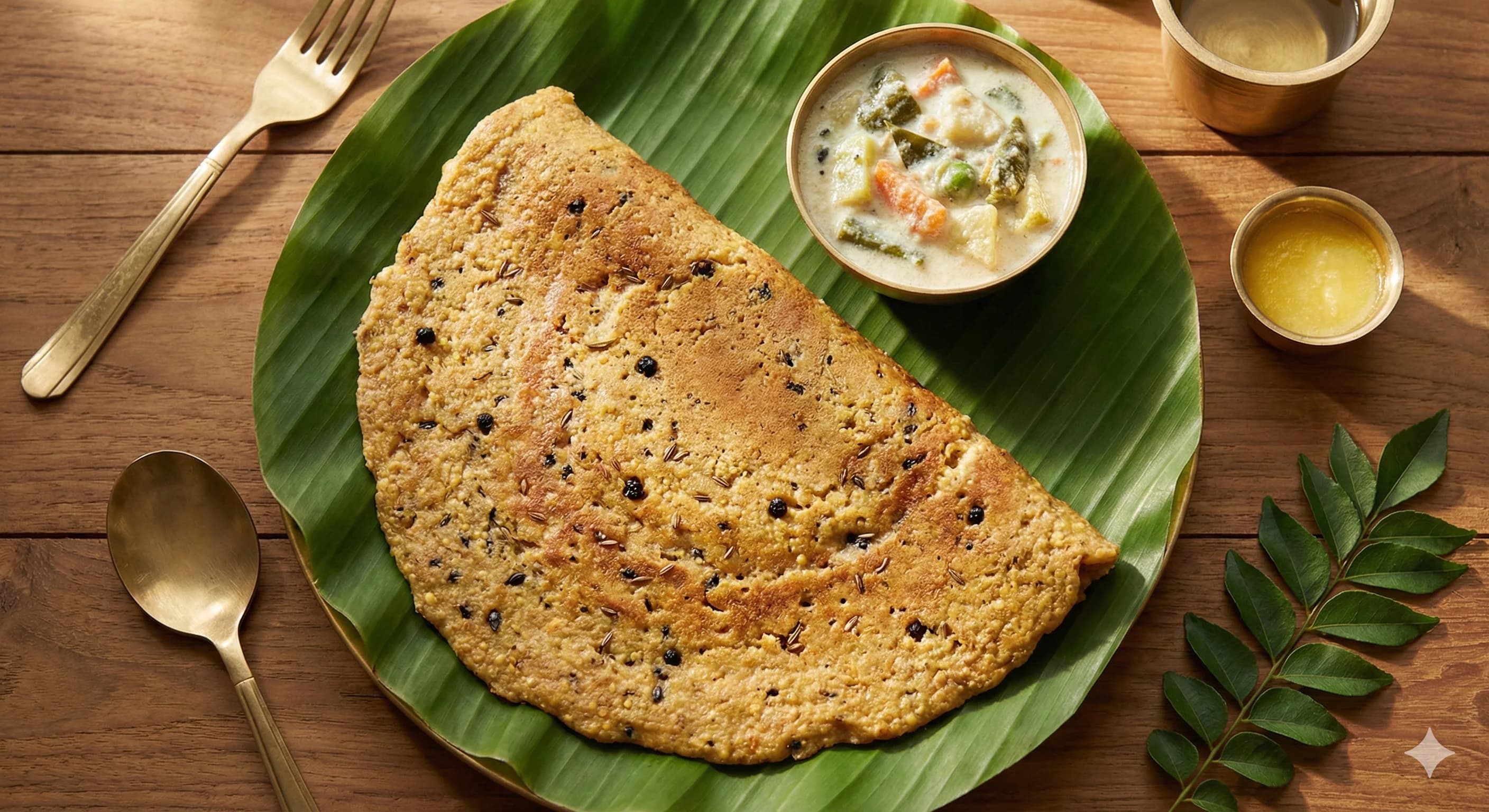
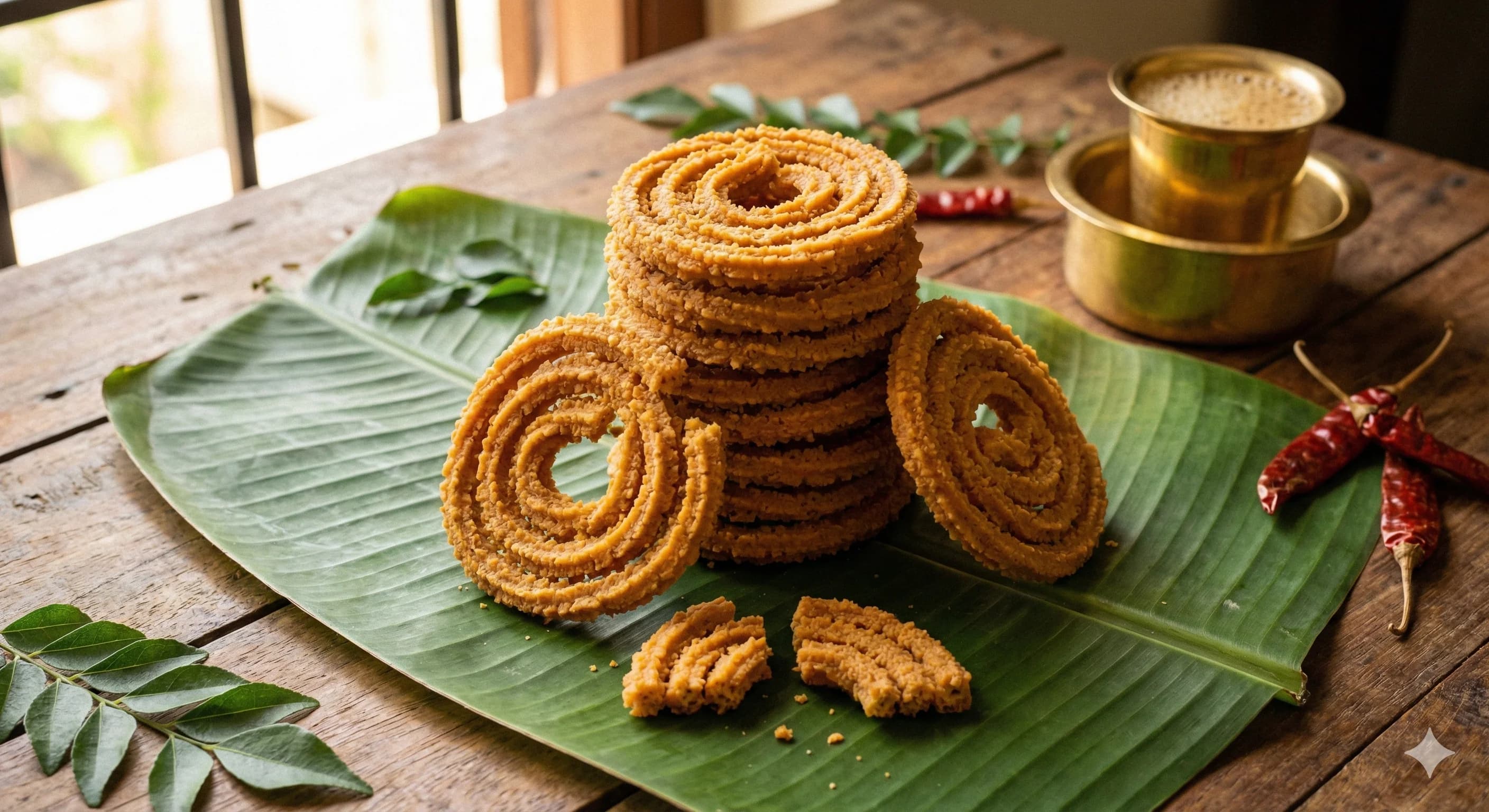
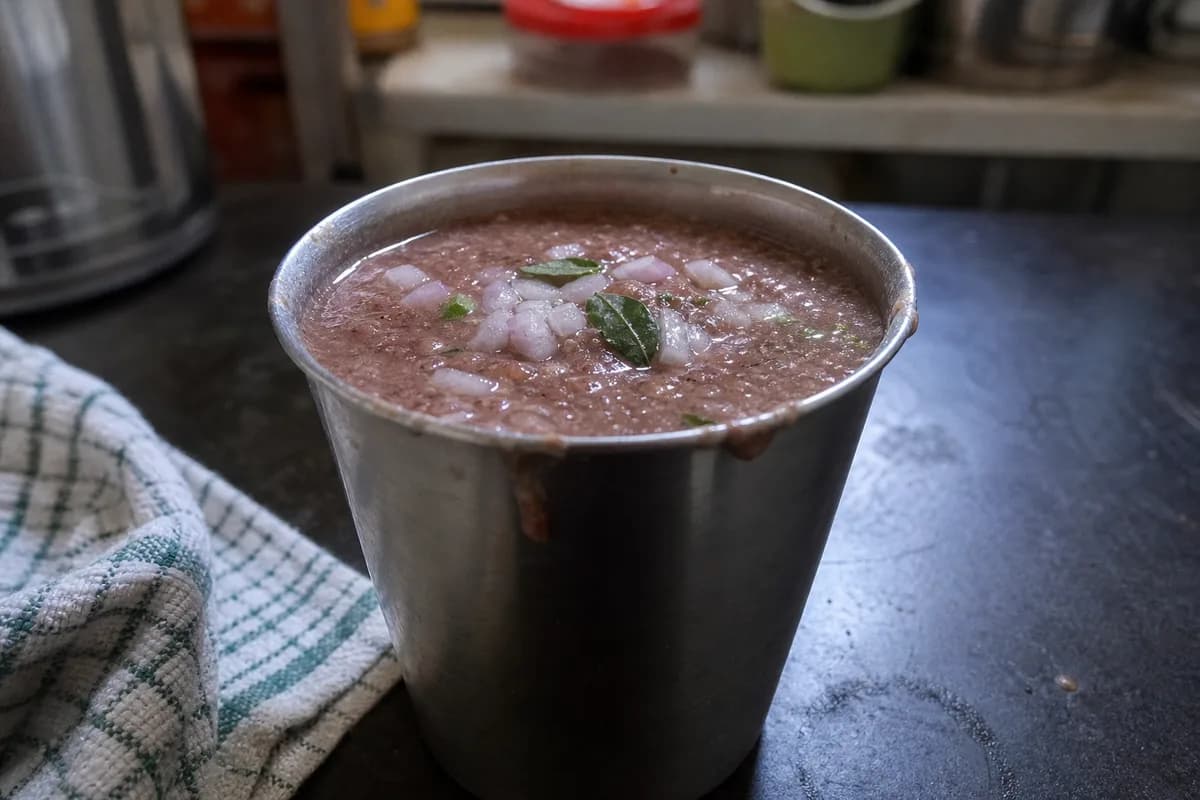
Related Recipes - Foxtail Millet

Sources
- Longvah T, Ananthan R, Bhaskarachary K, Venkaiah K (2017). Indian Food Composition Tables 2017.
- Murthy KRS (1991). Ashtanga Hridaya (English Translation).
Disclaimer: This content is created with the assistance of AI and is based on published research, government sources, and traditional knowledge. While we strive for accuracy, always consult a healthcare professional for medical advice.