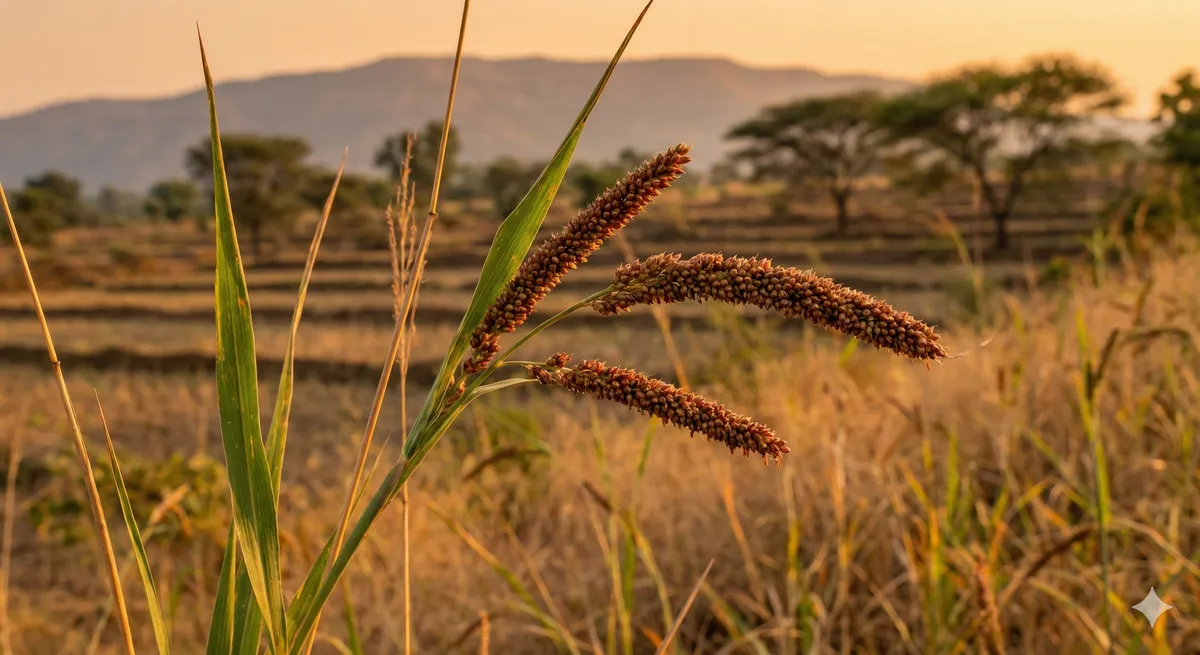
Kodo Millet
Paspalum scrobiculatum
Kodo / Kodra
The antioxidant-rich grain used for centuries in Indian fasting rituals
Names in Indian Languages
| Language | Name |
|---|---|
| Hindi | कोदो (Kodo) / कोदरा (Kodra) |
| Tamil | வரகு (Varagu) |
| Telugu | అరికెలు (Arikelu) |
| Kannada | ಹಾರಕ (Haraka) |
| Malayalam | വരക് (Varaku) |
| Marathi | कोद्रा (Kodra) |
| Bengali | কোদো (Kodo) |
| Gujarati | કોદરા (Kodra) |
| Odia | କୋଦୋ (Kodo) |
| Punjabi | ਕੋਦੋ (Kodo) |
| Sanskrit | कोद्रव (Kodrava) |
Nutrition Profile
per 100g. Source: ICMR-NIN IFCT 2017, Indian Food Composition Tables, National Institute of Nutrition, Hyderabad
Calories
309kcal
Protein
8.3g
Fiber
9g
Calcium
27mg
Iron
0.5mg
Glycemic Index
48(low)
| Nutrient | Amount per 100g |
|---|---|
| Calories | 309 kcal |
| Protein | 8.3 g |
| Fat | 1.4 g |
| Carbohydrates | 65.9 g |
| Fiber | 9 g |
| Calcium | 27 mg |
| Iron | 0.5 mg |
| Zinc | 0.7 mg |
| Phosphorus | 188 mg |
| Magnesium | 122 mg |
| Potassium | 144 mg |
Kodo Millet vs. White Rice
The health information below is for educational purposes only and is not medical advice. Consult a healthcare professional before making dietary changes. Read full disclaimer
Health Benefits
High antioxidant polyphenol content
Supported by ResearchKodo millet is exceptionally rich in polyphenolic compounds that have strong antioxidant properties, which may help protect cells from oxidative damage.
Source: Journal of Food Science and Technology
Rich in fiber for digestive health
Well EstablishedWith 9.0g fiber per 100g, kodo millet may support healthy digestion, promote regular bowel movements, and may help maintain healthy cholesterol levels.
Source: ICMR-NIN IFCT 2017
Low calorie content
Well EstablishedAt 309 calories per 100g, kodo millet has the lowest calorie content among commonly consumed millets, making it suitable for weight management diets.
Source: ICMR-NIN IFCT 2017
Traditionally used in diabetic diets
Traditional KnowledgeWith a low glycemic index of ~48, kodo millet has been traditionally recommended in Ayurvedic and folk medicine for managing blood sugar levels.
Source: Indian Journal of Traditional Knowledge
Ayurvedic Properties
Rasa (Taste)
Kashaya (astringent), Madhura (sweet)
Virya (Potency)
Sheeta (cool)
Vipaka (Post-digestive)
Katu (pungent)
Guna (Quality)
Laghu (light), Ruksha (dry)
Dosha Effect
Vata
Increases
Pitta
Decreases
Kapha
Decreases
Therapeutic Uses
- Used traditionally in diabetic diets for blood sugar management
- Cooling effect beneficial during Pitta aggravation
- May support weight management due to low calorie content
- Traditionally recommended during fasting for its light quality
Classical Reference: Charaka Samhita
Contraindications
- May aggravate Vata, consume with ghee or warm preparations
- Must be properly cleaned and processed to avoid fungal contamination
Ayurvedic information presented here is derived from classical texts for educational purposes. It is not medical advice. Always consult a qualified Ayurvedic practitioner or healthcare provider before making dietary changes based on Ayurvedic principles.
How to Cook Kodo Millet
Water Ratio
1:2.5
Soaking Time
6-8 hours
Cooking Time
20-25 minutes
Best Substitute For
Rice
Texture
Similar to rice but firmer
Flavor Profile
Mild, earthy
Cooking Tips
- 1.Soak for 6-8 hours or overnight for best results
- 2.Rinse thoroughly after soaking to remove any bitterness
- 3.Cook like rice after soaking, the grains separate well
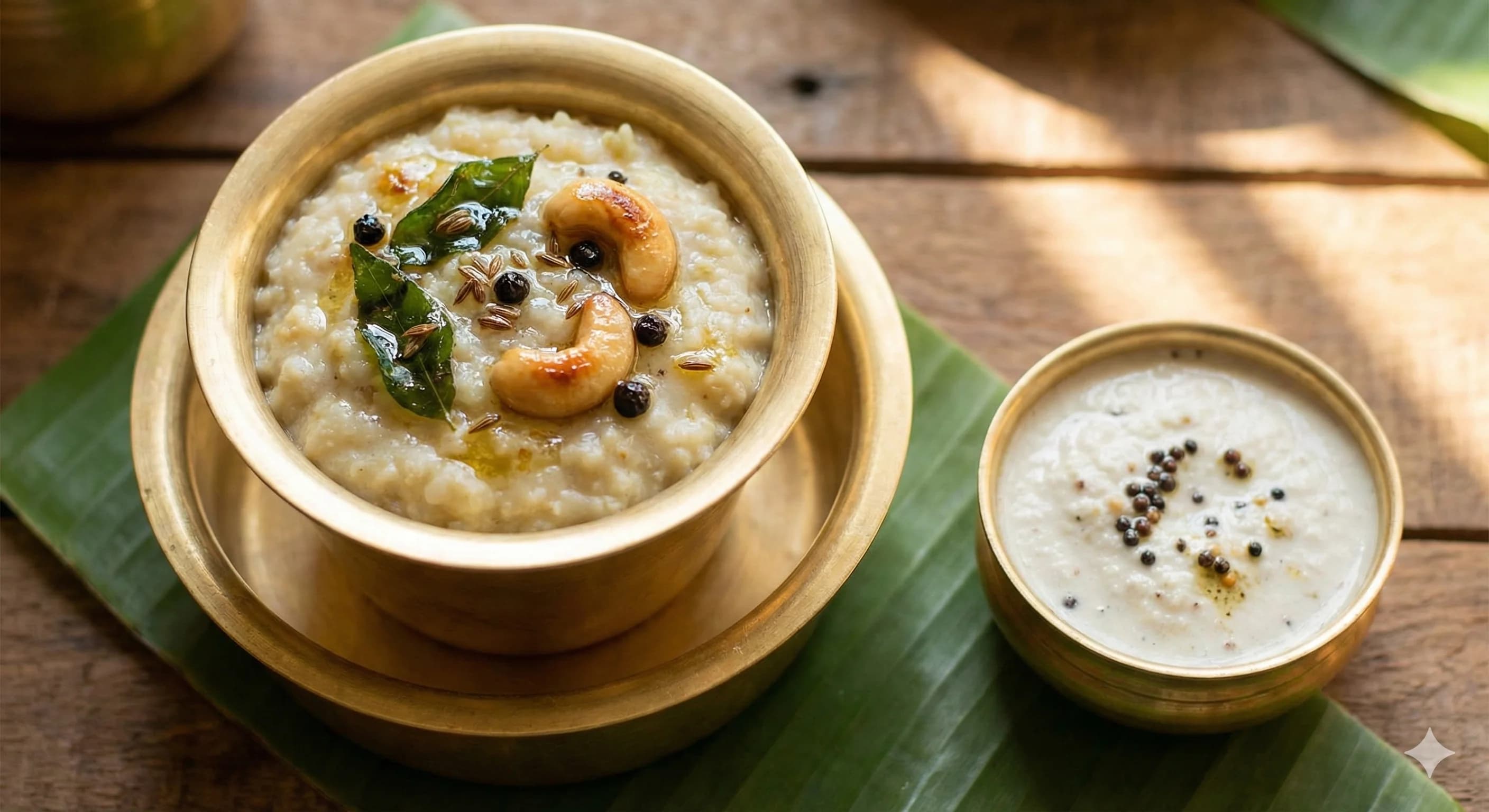
- 4.Works well in upma, pulao, and pongal preparations
- 5.Ensure the grain is from a reputable source and properly processed
Cultivation
Major States (India)
Tamil Nadu, Madhya Pradesh, Chhattisgarh, Maharashtra, Karnataka
Global Regions
South Asia (India), Southeast Asia, West Africa
Growing Season
Kharif (June-October)
Water Requirement
400-500mm rainfall
Soil Type
Gravelly, laterite, and shallow soils; grows well in poor soils
Harvest Days
90-120 days
History
Origin Region
Indian subcontinent
Domestication Period
Approximately 3000 years ago
Archaeological Evidence
Native to India with a long history of cultivation. Widely grown in tribal regions of central India for millennia. Limited formal archaeological documentation but extensive ethnobotanical records.
Spread Pattern
Domesticated in India and remained primarily cultivated in the Indian subcontinent, with some spread to Southeast Asia and West Africa.
Cultural Significance
Kodo millet has deep roots in Indian fasting (vrat) traditions and is one of the grains permitted during Hindu fasting periods. It is a critical food security crop for tribal communities in Madhya Pradesh and Chhattisgarh.
Side Effects & Precautions
Kodua poisoning (fungal contamination)
Must be properly cleaned as contaminated kodo millet can cause intoxication (kodua poisoning) due to fungal contamination by Aspergillus flavus. Symptoms include nausea, tremors, and drowsiness. Always purchase from reliable sources.
Bitterness from improper processing
May have a slight bitterness if not properly processed and cleaned. Thorough washing, soaking, and rinsing help eliminate any off-flavors.
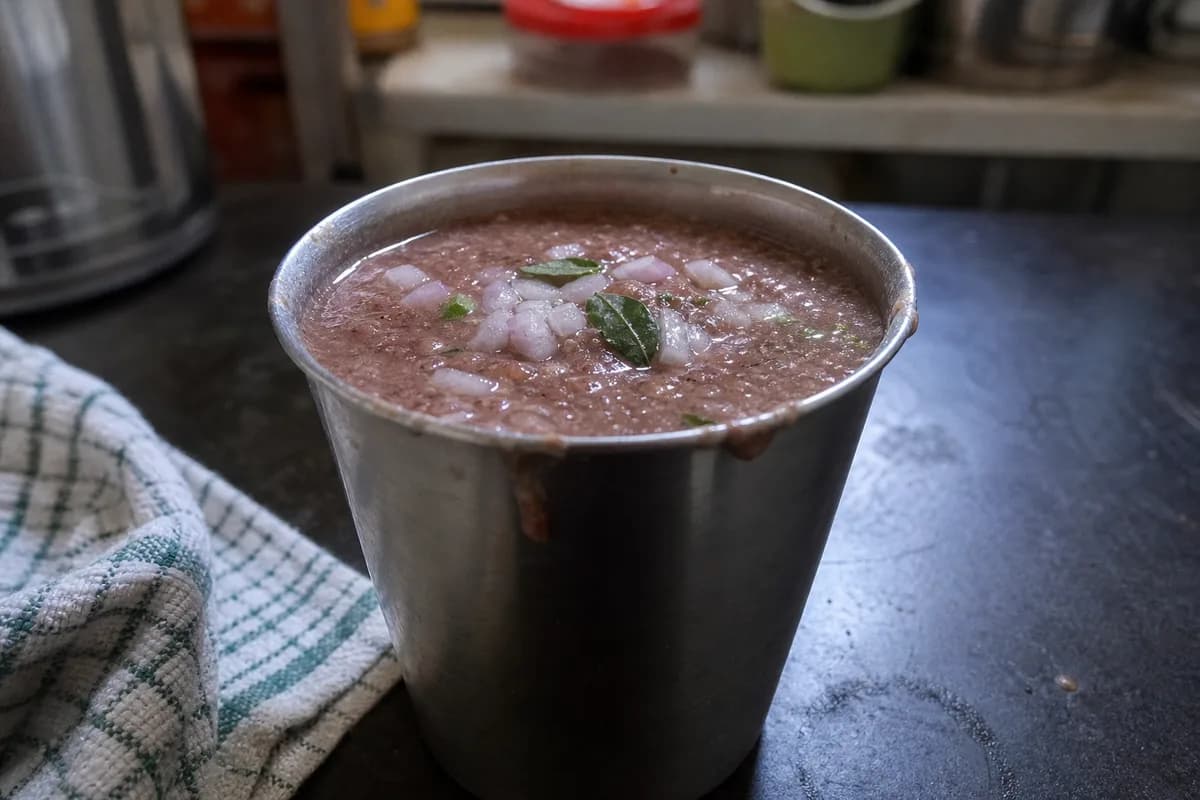
Related Recipes - Kodo Millet
Sources
- Longvah T, Ananthan R, Bhaskarachary K, Venkaiah K (2017). Indian Food Composition Tables 2017.
- Sharma RK, Dash B (1976). Charaka Samhita (English Translation).
Disclaimer: This content is created with the assistance of AI and is based on published research, government sources, and traditional knowledge. While we strive for accuracy, always consult a healthcare professional for medical advice.