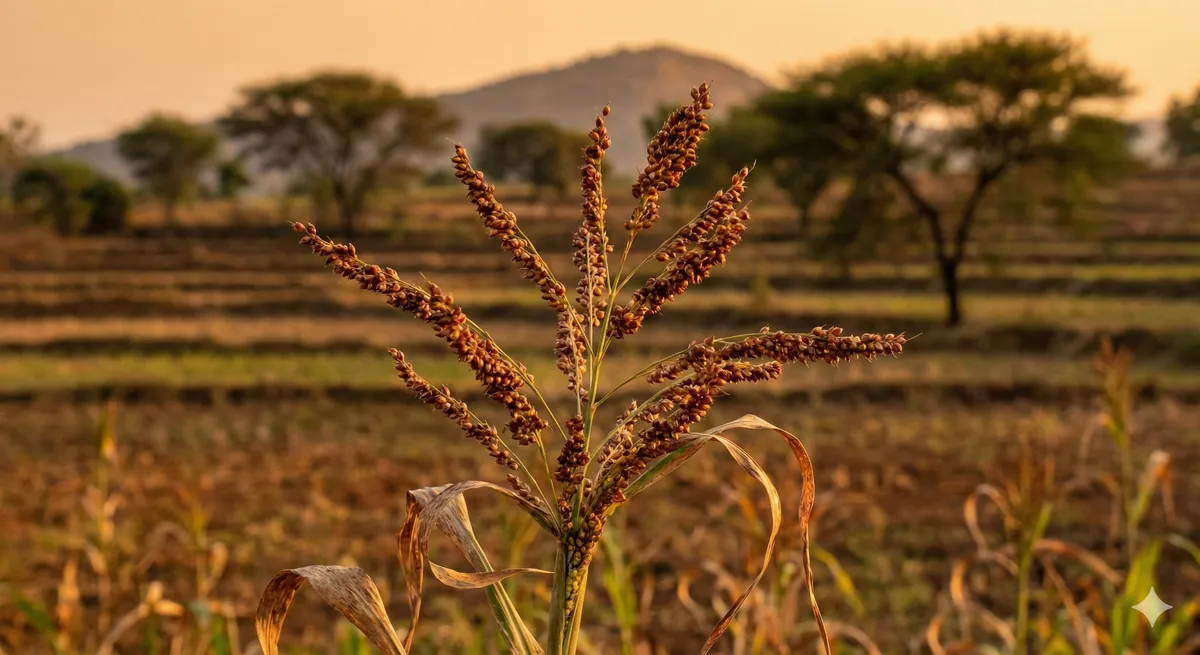
Browntop Millet
Urochloa ramosa (syn. Brachiaria ramosa)
Chhoti Kangni / Korale
The highest-fiber millet, the rarest commercially grown millet, now being revived
Names in Indian Languages
| Language | Name |
|---|---|
| Hindi | छोटी कंगनी (Chhoti Kangni) |
| Tamil | பனிப்புல் (Panippul) |
| Telugu | అండ కొర్రలు (Anda Korralu) |
| Kannada | ಕೊರಲೆ (Korale) |
| Malayalam | തൊട്ടക്കുറ (Thottakura) |
| Marathi | हरिक (Harik) |
| Bengali | No common name |
| Gujarati | No common name |
| Odia | No common name |
| Punjabi | No common name |
| Sanskrit | No common name |
Nutrition Profile
per 100g. Source: Published literature, limited data, Limited ICMR data available. Values derived from published research literature. Magnesium and potassium data not available.
Calories
331kcal
Protein
11.5g
Fiber
12.5g
Calcium
20mg
Iron
0.65mg
Glycemic Index
47(low)
| Nutrient | Amount per 100g |
|---|---|
| Calories | 331 kcal |
| Protein | 11.5 g |
| Fat | 1.6 g |
| Carbohydrates | 69 g |
| Fiber | 12.5 g |
| Calcium | 20 mg |
| Iron | 0.65 mg |
| Zinc | 0.5 mg |
| Phosphorus | 150 mg |
| Magnesium | 0 mg |
| Potassium | 0 mg |
Browntop Millet vs. White Rice
The health information below is for educational purposes only and is not medical advice. Consult a healthcare professional before making dietary changes. Read full disclaimer
Health Benefits
Highest fiber content among all millets
Well EstablishedBrowntop millet contains 12.5g fiber per 100g, the highest among all millets. This extraordinary fiber content may support digestive health, promote satiety, and aid in maintaining healthy cholesterol and blood sugar levels.
Source: Published literature on millet nutrition
Very low glycemic index
Supported by ResearchWith a GI of approximately 47, browntop millet releases glucose very slowly, making it an excellent grain choice for people managing diabetes or seeking stable energy levels.
Source: Published literature on millet glycemic indices
Rich in phytochemicals
Preliminary EvidenceContains various phytochemicals including phenolic compounds that may have antioxidant, anti-inflammatory, and other health-promoting properties. Research is ongoing.
Source: Journal of Food Science and Technology
May support gut health
Supported by ResearchThe very high fiber content acts as a prebiotic, potentially supporting the growth of beneficial gut bacteria and promoting overall gut health and digestive regularity.
Source: Nutrition Research Reviews
Ayurvedic Properties
Rasa (Taste)
Kashaya (astringent), Madhura (sweet)
Virya (Potency)
Sheeta (cool)
Vipaka (Post-digestive)
Katu (pungent)
Guna (Quality)
Laghu (light), Ruksha (dry)
Dosha Effect
Vata
Increases
Pitta
Neutral
Kapha
Decreases
Therapeutic Uses
- Exceptional for gut health and digestive regularity due to very high fiber
- Cooling nature suitable for Pitta conditions
- Light quality is said to support easy digestion and detoxification
- May support healthy weight management
Classical Reference: Limited Ayurvedic references - classified under Kshudra Dhanya
Contraindications
- Very high fiber content may cause digestive discomfort if introduced too quickly
- May aggravate Vata due to dry and light qualities
Ayurvedic information presented here is derived from classical texts for educational purposes. It is not medical advice. Always consult a qualified Ayurvedic practitioner or healthcare provider before making dietary changes based on Ayurvedic principles.
How to Cook Browntop Millet
Water Ratio
1:2.5
Soaking Time
6-8 hours
Cooking Time
20-25 minutes
Best Substitute For
Rice
Texture
Rice-like, firm
Flavor Profile
Mild, slightly nutty
Cooking Tips
- 1.Soak for 6-8 hours or overnight for best results
- 2.Cook like rice after thorough soaking
- 3.Its firm texture holds up well in pulao and biryani-style preparations
- 4.Can be ground into flour for dosas and rotis
- 5.Start with small portions and gradually increase if new to this millet
Cultivation
Major States (India)
Karnataka (primarily Tumkur, Chitradurga districts), Andhra Pradesh (limited)
Global Regions
South Asia (primarily India), Southeast Asia
Growing Season
Kharif (June-October)
Water Requirement
300-400mm rainfall
Soil Type
Red gravelly and laterite soils; grows in poor, hilly terrains
Harvest Days
90-100 days
History
Origin Region
Southeast Asia and Indian subcontinent
Domestication Period
Ancient (exact period undocumented)
Archaeological Evidence
Limited archaeological documentation. Known to have been grown traditionally in hilly regions of Karnataka for centuries. Was nearly extinct as a cultivated crop before recent revival efforts.
Spread Pattern
Native to Southeast Asia and India. Primarily confined to the hilly regions of Karnataka, with limited spread to neighboring states.
Cultural Significance
Browntop millet is an example of crop revival. Nearly lost to agricultural modernization, it has been brought back by farmers in Karnataka. It is part of the wider effort to revive indigenous grains and preserve agricultural biodiversity.
Side Effects & Precautions
Limited commercial availability
Browntop millet is the rarest commercially grown millet and may be difficult to source. Availability is primarily limited to Karnataka and specialty stores.
Digestive discomfort from high fiber
The very high fiber content (12.5g per 100g) may cause digestive discomfort, bloating, or gas if introduced too quickly into the diet. Gradual introduction is strongly recommended.
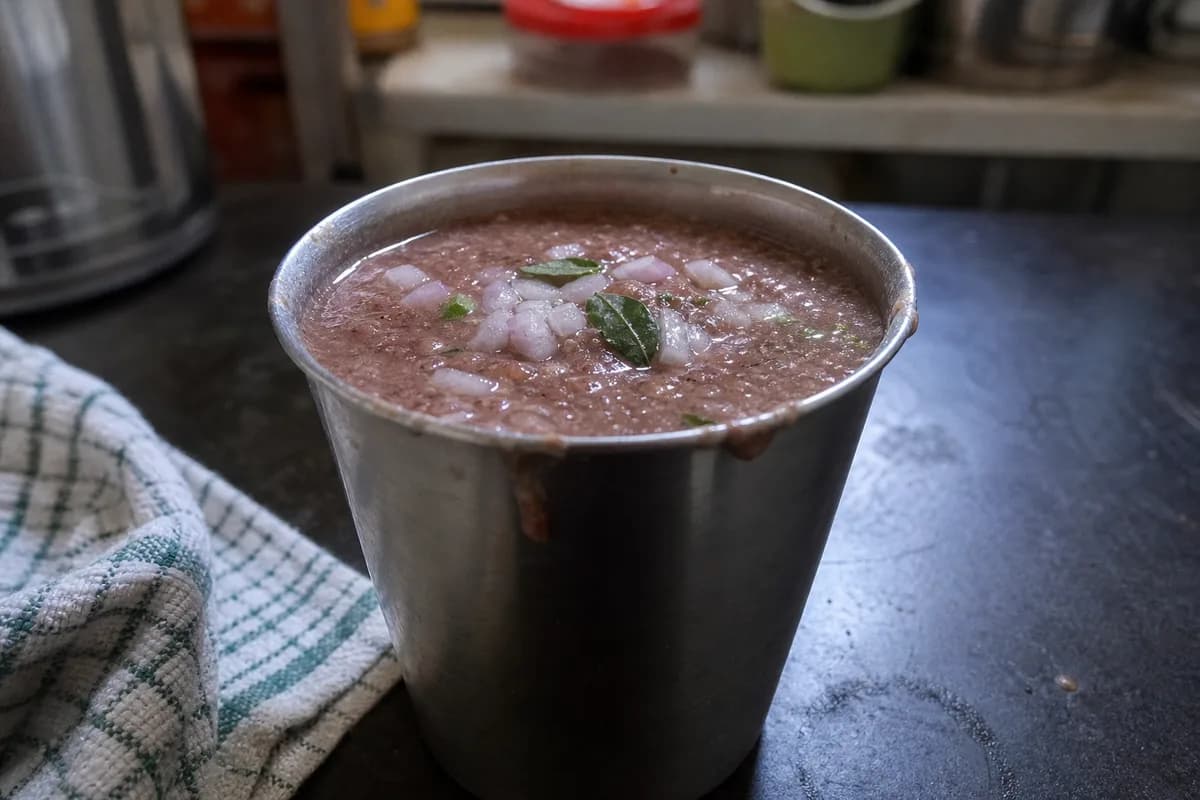
Related Recipes - Browntop Millet
Sources
Source information is being compiled for this millet.
Disclaimer: This content is created with the assistance of AI and is based on published research, government sources, and traditional knowledge. While we strive for accuracy, always consult a healthcare professional for medical advice.