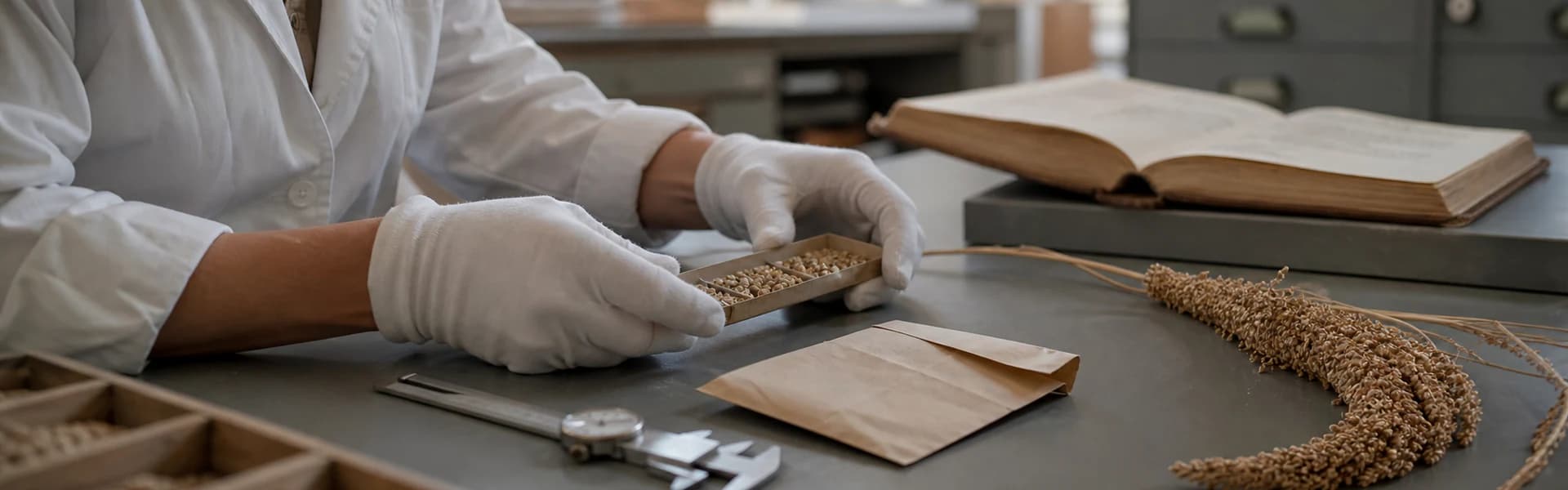
मिलेट्स का इतिहास
Millets are among the earliest cultivated cereal crops in human history. Archaeological evidence from the Cishan site in northern China dates foxtail millet cultivation to approximately 8700 BCE, making it one of the first grains to be deliberately farmed by humans -- predating rice cultivation by several thousand years. Independently, pearl millet was domesticated in the Sahel region of West Africa around 4500 BCE, and finger millet arose in the Ethiopian highlands around 5000 BCE.
On the Indian subcontinent, millets have been cultivated for at least 5,000 years. Grains of foxtail millet and browntop millet have been recovered from Indus Valley Civilization sites dating to 3300 BCE. By the time of the Vedic period (~1500 BCE), millets were well established in Indian agriculture and were mentioned in the Yajurveda as ‘Anu’ (minor grains). Tamil Sangam literature (~300 BCE) extensively references millets, with one of the five landscape divisions named ‘Thinai’ after foxtail millet.
For millennia, millets were the daily bread of millions across Asia, Africa, and parts of Europe. Their extraordinary resilience -- thriving in arid soils, withstanding drought, and maturing in as few as 60 days -- made them indispensable to dryland farming communities. However, the 20th century brought dramatic changes that pushed millets to the margins of global agriculture.
भारत: दुनिया का सबसे बड़ा मिलेट उत्पादक
भारत दुनिया का सबसे बड़ा मिलेट उत्पादक है, जो वैश्विक उत्पादन का लगभग 20% और एशिया के मिलेट उत्पादन का लगभग 80% हिस्सा रखता है। भारत सरकार ने अप्रैल 2018 में कृषि मंत्रालय की गज़ट अधिसूचना के ज़रिए मिलेट्स का आधिकारिक नाम बदलकर "न्यूट्री-सीरियल्स" कर दिया, चावल और गेहूँ जैसे मुख्य अनाजों की तुलना में उनके बेहतर पोषण मूल्य को मान्यता देते हुए।
प्रमुख मिलेट उत्पादक राज्यों में राजस्थान, महाराष्ट्र, कर्नाटक, आंध्र प्रदेश, तमिलनाडु, मध्य प्रदेश, गुजरात, और उत्तराखंड शामिल हैं। हर क्षेत्र की अपनी पारंपरिक मिलेट किस्में और खाना पकाने की विरासत है।
Timeline: 10,000 Years of Millets
सबसे पुरानी मिलेट खेती
उत्तरी चीन में सिशान (Cishan) स्थल पर पुरातात्विक खुदाई से कंगनी (Setaria italica) और चेना/प्रोसो मिलेट (Panicum miliaceum) की खेती के सबसे पुराने प्रमाण मिले हैं, जिससे मिलेट मानव इतिहास में सबसे पहले पालतू बनाए गए अनाज फ़सलों में शामिल हो जाते हैं।
चीनरागी का पालतूकरण
पूर्वी अफ़्रीका के इथियोपियाई उच्चभूमि में रागी (Eleusine coracana) को पालतू बनाया गया। जंगली पूर्वज Eleusine africana की शुरुआती कृषि समुदायों द्वारा चुनिंदा खेती शुरू हुई, जो एक ऐसी फ़सल की शुरुआत थी जो बाद में पूरे अफ़्रीका और दक्षिण एशिया में मुख्य अनाज बन गई।
पूर्वी अफ़्रीकाबाजरे की शुरुआत
पश्चिम अफ़्रीका के साहेल क्षेत्र में बाजरा (Pennisetum glaucum) की खेती शुरू हुई, उन इलाक़ों में जो अब माली और नाइजर हैं। अत्यधिक गर्मी और सूखे के अनुकूल होने की वजह से यह अर्ध-शुष्क उष्णकटिबंधीय कृषि के लिए एक जीवनरेखा फ़सल बन गया।
पश्चिम अफ़्रीकासिंधु घाटी में मिलेट
पुरातात्विक प्रमाण हड़प्पा सहित कई सिंधु घाटी सभ्यता स्थलों पर मिलेट की खेती की पुष्टि करते हैं। कंगनी और कोरले मिलेट दोनों के दाने बरामद हुए हैं, जो दर्शाते हैं कि मिलेट दुनिया की सबसे पुरानी शहरी सभ्यताओं में से एक के विविध कृषि आधार का हिस्सा थे।
भारतीय उपमहाद्वीपज्वार का पालतूकरण
पूर्वोत्तर अफ़्रीका के सूडान-इथियोपिया क्षेत्र में ज्वार (Sorghum bicolor) को पालतू बनाया गया। यह अंततः पूरे अफ़्रीका, एशिया और भूमध्यसागरीय क्षेत्र में फैल गया और वैश्विक स्तर पर पाँचवीं सबसे महत्वपूर्ण अनाज फ़सल बन गया।
पूर्वी अफ़्रीकाबाजरा भारत पहुँचा
गुजरात में सुरकोटड़ा और रोजड़ी में बाजरे की खेती के प्रमाण मिले हैं, जो दर्शाते हैं कि बाजरा प्राचीन व्यापार और प्रवास मार्गों के ज़रिए — अरब सागर के पार या मध्य पूर्व होकर ओवरलैंड — अफ़्रीका से भारतीय उपमहाद्वीप तक पहुँच गया था।
भारतदक्षिण भारत में रागी
कर्नाटक में हल्लूर की पुरातात्विक खुदाई से भारत में रागी (Finger Millet) की खेती के सबसे पुराने प्रमाण मिले हैं। यह रागी के दक्षिण भारतीय कृषि और खानपान के साथ गहरे जुड़ाव की शुरुआत है जो आज तक जारी है।
दक्षिण भारतवैदिक संदर्भ
यजुर्वेद में मिलेट का उल्लेख 'अणु' (छोटे अनाज) के रूप में मिलता है, जो चावल (व्रीहि) और जौ (यव) के साथ सूचीबद्ध है। यह शाब्दिक प्रमाण पुष्टि करता है कि मिलेट प्राचीन भारत की वैदिक कृषि और आहार व्यवस्था का एक स्थापित हिस्सा थे।
भारतशास्त्रीय आयुर्वेदिक ग्रंथ
आयुर्वेद के मूलभूत ग्रंथों में से एक, चरक संहिता, सूत्र स्थान में मिलेट को तृण धान्य (घास अनाज) के अंतर्गत वर्गीकृत करती है। उनके गुणों (रस, गुण, वीर्य, विपाक) और चिकित्सीय उपयोगों का विस्तृत विवरण पहली बार दस्तावेज़ किया गया।
भारतसंगम साहित्य में उल्लेख
तमिल संगम साहित्य में तिनै (कंगनी), वरगु (कोदो मिलेट), और समई (कुटकी) का मुख्य फ़सलों के रूप में व्यापक उल्लेख मिलता है। संगम कविता के पाँच भूदृश्य-आधारित विभाजनों (तिणै) का नामकरण कृषि फ़सलों के नाम पर किया गया है, जिसमें तिनै (मिलेट) पहाड़ी क्षेत्रों का प्रतिनिधित्व करता है।
दक्षिण भारतरोमन ज्ञान
प्लिनी द एल्डर अपने विश्वकोशीय ग्रंथ Natural History (Naturalis Historia) में मिलेट का उल्लेख करते हैं, उन्हें प्राचीन विश्व के महत्वपूर्ण अनाज बताते हुए। वे पूरे रोमन साम्राज्य में उनकी खेती और मानव भोजन तथा पशु चारे दोनों के रूप में उनके उपयोग का वर्णन करते हैं।
रोमन साम्राज्यमध्यकालीन भारतीय कृषि
चालुक्य और राष्ट्रकूट राजवंशों के दौरान दक्कन पठार पर मिलेट कृषि की रीढ़ बने रहे। ज्वार (Sorghum), बाजरा (Pearl Millet), और रागी (Finger Millet) ने मध्य और दक्षिण भारत के अर्ध-शुष्क क्षेत्रों में बड़ी आबादी का भरण-पोषण किया।
भारतभावप्रकाश निघण्टु
भावमिश्र ने भावप्रकाश निघण्टु संकलित किया, एक व्यापक आयुर्वेदिक औषधकोश जो धान्य वर्ग (अनाज अध्याय) में विभिन्न मिलेट के विस्तृत गुणों का वर्णन करता है। यह ग्रंथ मिलेट के आयुर्वेदिक दृष्टिकोण और उनके चिकित्सीय उपयोगों को समझने के लिए एक प्रमुख संदर्भ बन गया।
भारतहरित क्रांति की शुरुआत
डॉ. एम.एस. स्वामीनाथन के नेतृत्व और नॉर्मन बोरलॉग की उच्च-उपज क़िस्मों के सहयोग से भारत की हरित क्रांति ने खाद्य कमी दूर करने के लिए गेहूँ और चावल पर ध्यान केंद्रित किया। हालाँकि इसने अकाल टालने में सफलता पाई, लेकिन सरकारी सब्सिडी, ख़रीद नीतियों और सार्वजनिक वितरण प्रणाली द्वारा चावल और गेहूँ को वरीयता देने से मिलेट की खेती में तेज़ गिरावट शुरू हो गई।
भारतICRISAT अनुसंधान
हैदराबाद, भारत स्थित International Crops Research Institute for the Semi-Arid Tropics (ICRISAT) ने ज्वार, बाजरा, और रागी पर अनुसंधान तेज़ किया। उन्नत क़िस्मों, सूखा सहनशीलता और पोषण गुणवत्ता पर उनके काम ने दुनिया भर के अर्ध-शुष्क क्षेत्रों में मिलेट खेती को संरक्षित करने में मदद की।
वैश्विकन्यूट्री-सीरियल्स घोषणा
भारत सरकार ने कृषि मंत्रालय के राजपत्र अधिसूचना के ज़रिए आधिकारिक तौर पर मिलेट को 'न्यूट्री-सीरियल्स' (Nutri-Cereals) के रूप में पुनर्वर्गीकृत किया, उनकी बेहतर पोषण प्रोफ़ाइल को मान्यता देते हुए। भारत ने 2018 को राष्ट्रीय मिलेट वर्ष घोषित किया, जागरूकता अभियान शुरू किए और मध्याह्न भोजन योजनाओं तथा सार्वजनिक वितरण प्रणाली में मिलेट को शामिल करने का प्रचार किया।
भारतसंयुक्त राष्ट्र प्रस्ताव
भारत ने संयुक्त राष्ट्र महासभा में 2023 को अंतर्राष्ट्रीय मिलेट वर्ष घोषित करने का प्रस्ताव रखा। यह प्रस्ताव 72 देशों के समर्थन से अपनाया गया, जिसमें खाद्य सुरक्षा, पोषण, जलवायु सहनशीलता और टिकाऊ कृषि में मिलेट के योगदान को मान्यता दी गई।
वैश्विकअंतर्राष्ट्रीय मिलेट वर्ष
संयुक्त राष्ट्र ने अंतर्राष्ट्रीय मिलेट वर्ष (IYM 2023) मनाया। भारत ने मिलेट की खपत, अनुसंधान और व्यापार को बढ़ावा देने के वैश्विक अभियानों का नेतृत्व किया। 100 से अधिक देशों में कार्यक्रम आयोजित हुए, संयुक्त राष्ट्र कैफ़ेटेरिया में मिलेट-आधारित मेन्यू दिखे, और मिलेट की जलवायु-अनुकूल, पौष्टिक अनाज के रूप में जागरूकता अभूतपूर्व वैश्विक दर्शकों तक पहुँची।
वैश्विकThe Green Revolution & Decline
The Green Revolution of the 1960s and 1970s transformed Indian agriculture. Led by Dr. M.S. Swaminathan and built upon Norman Borlaug's high-yield wheat and rice varieties, the initiative successfully averted widespread famine and dramatically increased food grain production. However, its singular focus on rice and wheat came at a steep cost to millet cultivation.
Government policies systematically favored rice and wheat through minimum support prices (MSP), public procurement systems, and subsidized distribution through the Public Distribution System (PDS). Irrigation infrastructure was built primarily for water-intensive paddy cultivation. Agricultural research funding flowed disproportionately toward rice and wheat improvement, while millet research was neglected.
The consequences were dramatic. Millets went from covering roughly 37% of India's cereal crop area in the 1960s to under 20% by the early 2000s. Perhaps most damagingly, millets became stigmatized as “coarse grains” and “poor people's food,” while polished white rice and refined wheat flour were seen as markers of prosperity. An entire generation grew up without millets on their plates, and traditional knowledge about millet cultivation, processing, and cooking began to fade.
The Revival
The 21st century has witnessed a remarkable millet renaissance, driven by growing awareness of nutrition, sustainability, and the limitations of monoculture agriculture.
In 2018, the Government of India took a landmark step by officially reclassifying millets as “Nutri-Cereals” through a gazette notification, recognizing their superior nutritional profile. India declared 2018 as the National Year of Millets, launching awareness campaigns and including millets in mid-day meal schemes and the Public Distribution System for the first time.
In 2021, India proposed a resolution to the United Nations General Assembly to declare 2023 as the International Year of Millets. The resolution was adopted with support from 72 countries.
The International Year of Millets (2023) was a watershed moment. India led global campaigns promoting millet consumption, research, and trade. Events were held across 100+ countries, millet-based menus appeared at UN cafeterias, and awareness of millets as climate-smart, nutritious grains reached an unprecedented global audience. Research institutions like ICRISAT intensified work on improved varieties, and startups began offering millet-based products ranging from breakfast cereals to pasta to cookies.
Today, millets stand at the intersection of some of the most pressing global challenges -- food security, malnutrition, climate change, and sustainable agriculture. Their ancient resilience has become profoundly relevant to the modern world.
Sources & References
- Sharma RK, Dash B (1976). Charaka Samhita (English Translation).
- FAO Food and Nutrition Series No. 27 (1995). Sorghum and millets in human nutrition. https://www.fao.org/3/t0818e/t0818e00.htm
- United Nations General Assembly (2021). International Year of Millets 2023. https://www.fao.org/millets-2023
- Government of India, Ministry of Agriculture (2018). Notification: Millets renamed as Nutri-Cereals.
- ICRISAT (2017). Smart Food: Millets for Food, Nutrition and Livelihood Security.
- Nagaraja Rao MS (1971). The Neolithic cultures of South India. Indian Antiquary.
- Weber SA (1998). Out of Africa: the initial impact of millets in South Asia. Current Anthropology.
- Fuller DQ (2006). Agricultural origins and frontiers in South Asia: a working synthesis. Journal of World Prehistory.
- Subramaniam N (1966). Sangam Age Tamil Literature and Agriculture.
- Lu H, Zhang J, Liu KB, Wu NQ, Li YM, Zhou KS (2009). Early millet use in northern China. Proceedings of the National Academy of Sciences.
अस्वीकरण: यह सामग्री AI की मदद से बनाई गई है और प्रकाशित शोध, सरकारी स्रोतों, और पारंपरिक ज्ञान पर आधारित है। हम सटीकता के लिए पूरी कोशिश करते हैं, लेकिन चिकित्सा सलाह के लिए हमेशा किसी स्वास्थ्य विशेषज्ञ से मिलें।